Reproductions and Enlargements

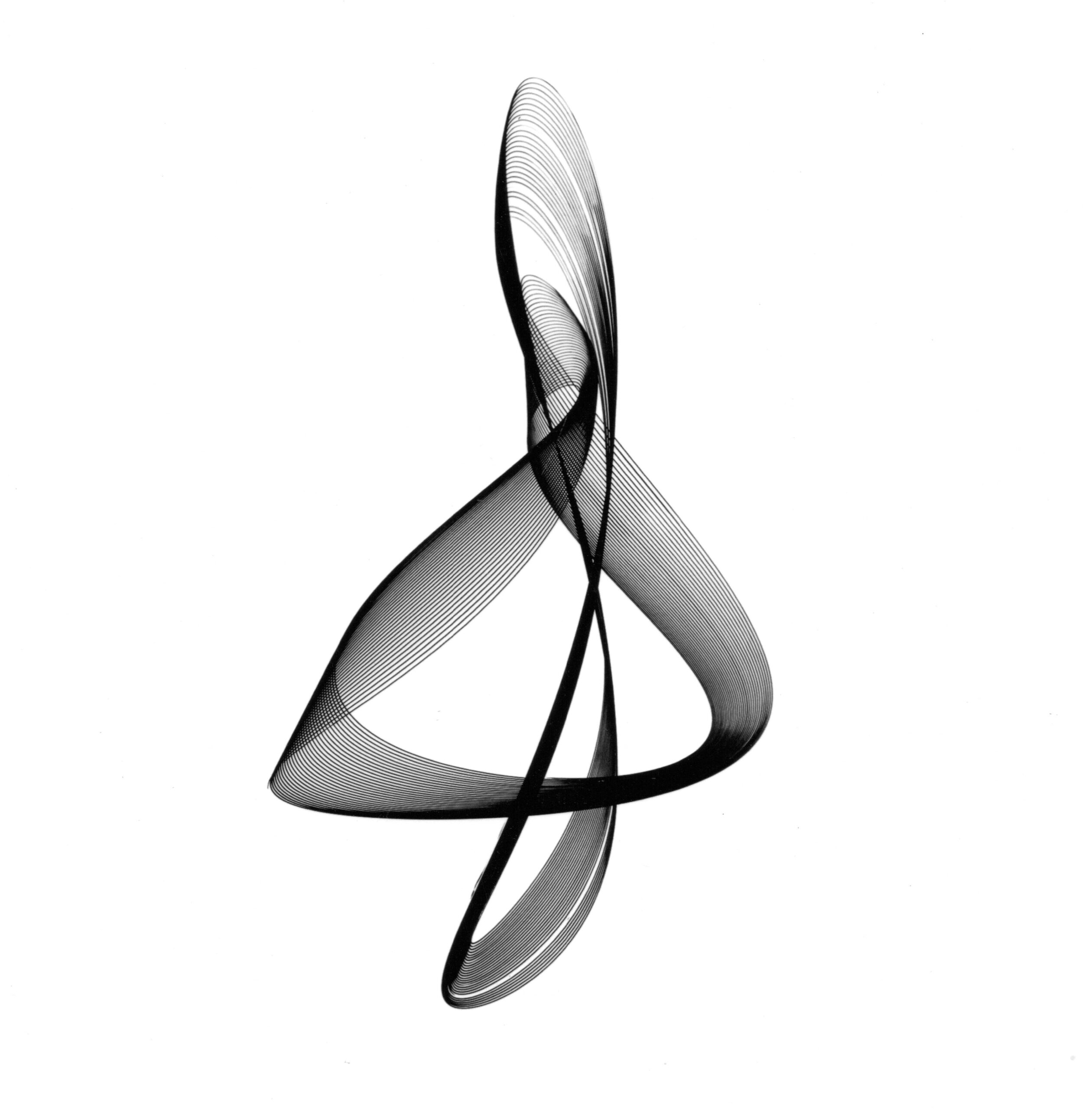
I went to Sharkfin Media, who’ve done such a great job of designing this website, not only because of their expertise in creating stunning websites but also because of their expertise in fine art reproduction. Their knowledge of photographing and printing artwork to the highest standard is exemplary: rest assured that a reproduction of one of my harmonograms will be top quality and will look great when framed.

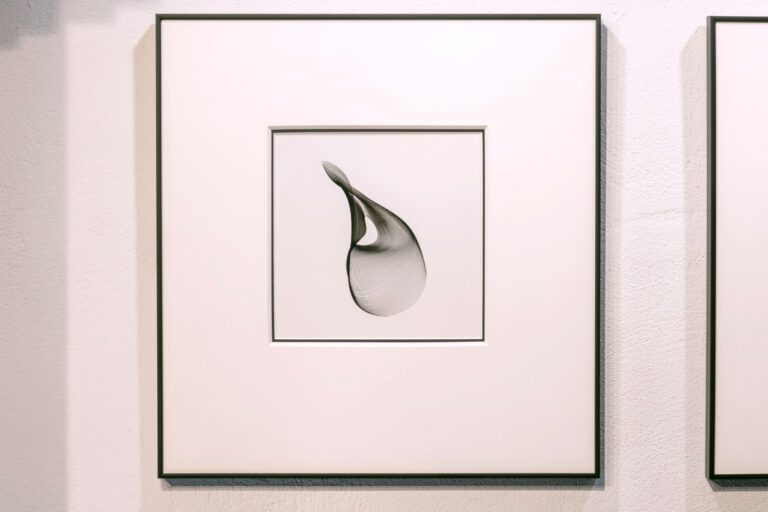
Reproductions are the same size as the original harmonogram; they are printed to the highest standard and preserve all the detail of the original. The paper is Hahnemühle Photo Rag, one of the most sought-after fine art papers: a 308gsm, acid and lignin-free cotton paper with a neutral white point that is exceptionally good for detailed reproductions. The paper size for reproductions is 215x215mm.

Enlargements are also printed on Hahnemühle Photo Rag; the paper is 50x50cm, although this may be trimmed slightly in one plane to fit the format of the harmonogram (e.g. a harmonogram which is in portrait format may be trimmed to 40x50cm). They are also printed to an exceptionally high standard.

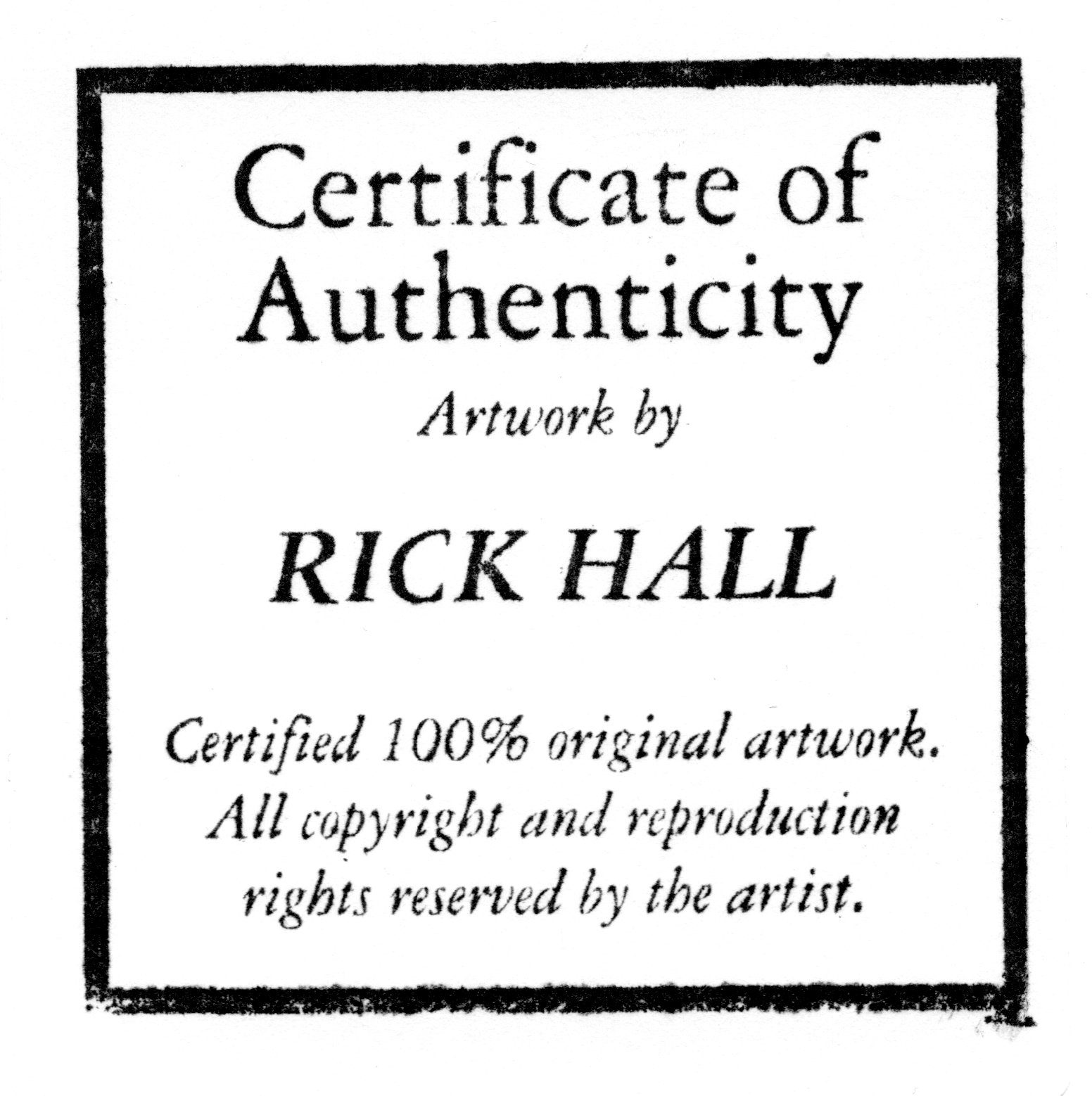
Each reproduction and enlargement will be signed and dated on the back (unless otherwise stated) and a stamped certificate of authenticity on a self-adhesive label will be included with each order: this can be mounted onto the back-board of the frame.
Similar Posts

  • Analogue Art in a Digital World

    Gravity: the mother of all supercomputers. I’ve often been asked, by people who weren’t familiar with my techniques, what computer software I’d used to produce my harmonograms: they’d assumed that they were digital pieces. The truth is that the precision, beauty and complexity of a harmonogram are the product of nothing other than gravity. To…

  • Framing

    Some advice on framing and presentation. How a piece of artwork is framed greatly affects your perception of the work itself: putting a beautiful piece of work in a shoddily made or mismatched frame would detract from the work’s inherent quality. Over the years I’ve framed my harmonograms in various ways, some examples of which…

  • Printmaking

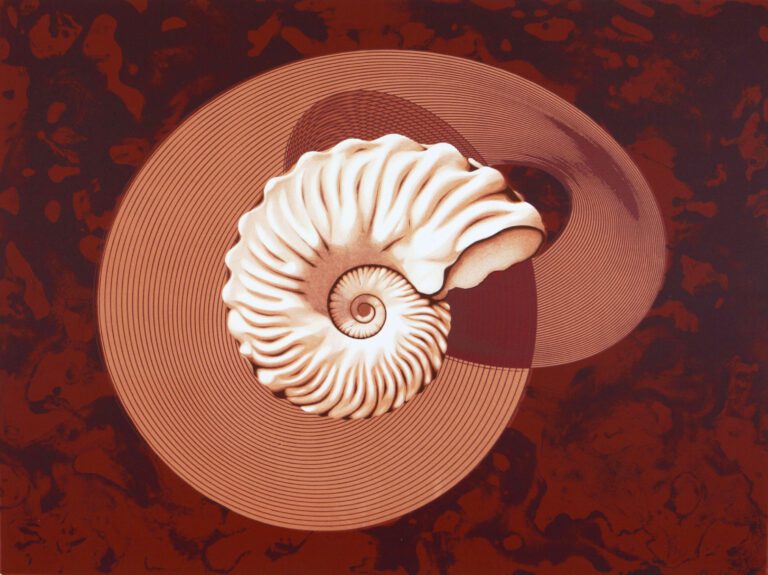
    Prints 1993-1996 This gallery is a selection of my printmaking work from Wimbledon School of Art, where I completed a Master’s Degree in Fine Art in 1996. This is also where I built my Twin-Elliptic Harmonograph. I often used my harmonograms as a starting point for my prints: I put them onto silk screens, lithograph…

  • Ballerina

    Made with 3mm perspex and prismatic thread. When I began my career as an artist, I was a sculptor; my influences included Barbara Hepworth, Naum Gabo and Henry Moore. I’ve always thought my harmonograms would be an ideal starting point for three-dimensional work, as they have a sculptural aesthetic even in two dimensions. In my…

  • The Golden Circle Triptych

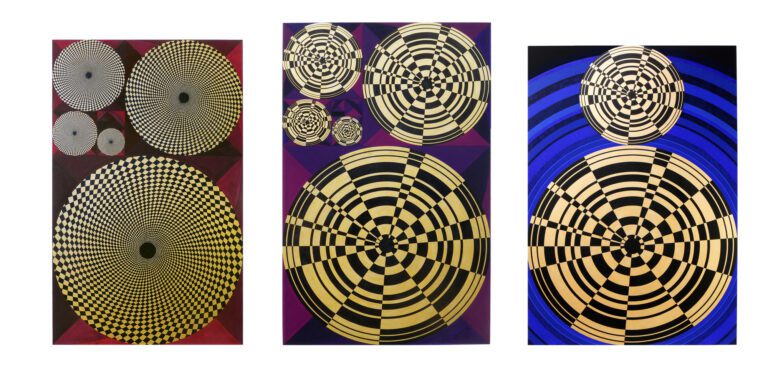
    Acrylic, gouache, ink. I made this triptych over several years from 2005 onwards. It’s hand-painted/drawn and the middle piece (the Golden Circle) measures 51.6 x 84cm. The Golden Circle Triptych This triptych is an artistic expression of the beauty and elegance of three mathematical formulae which have shaped our technologies and which surround us in…